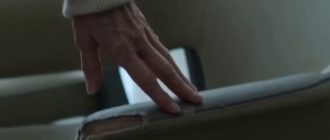
The bell above the door hadn't rung in three days. Martin Kowalczyk stood behind the counter of Kowalczyk & Sons Print Shop, running his thumb along the spine of a book his brother had bound the week before he died, and listened to the silence where customers used to be.
"You could close early," said Denise, who'd worked the register for eleven years and had started saying things like that too often lately.
"Ray never closed early." Martin set the book down on the stack meant for the Elmhurst Public Library order. Forty copies, due Friday, and only Martin left to run the binding machine that Ray used to operate with his eyes half-closed, humming some old union song their father had taught them.
They'd started the shop in 1998 with a loan from their uncle and a secondhand press that jammed if you looked at it wrong. Ray handled the machines; Martin handled the numbers and the customers who wanted their term papers bound by morning. It worked for twenty-six years because it had to — because they were brothers, and brothers didn't quit on each other, not even when the bank called, not even when the big chain store opened two blocks down and cut prices Kowalczyk & Sons couldn't match.
Ray's heart had given out on a Tuesday in April, standing right where Martin was standing now, a stack of unbound pages still warm from the press.
Now it was August, and the shop smelled like it always had — glue, paper dust, the machine oil Ray swore by — and Martin couldn't make himself learn the binding machine's second setting, the one only Ray had ever used, the one for the library orders that paid the rent.
"I found something," Denise said. She held out a spiral notebook, the cover soft with handling. "In the back, behind the old ledgers. It's got dates going back to when you two started."
Martin didn't want to open it. He'd been avoiding the back room for exactly this reason — the fear of finding his brother's handwriting where he hadn't braced for it. But his hands took the notebook anyway, the way hands do when the rest of you hasn't caught up.
The first page was dated November 1998, three weeks after they'd signed the lease. *Taught M. the binding machine today,* Ray had written. *He'll get it. He gets everything eventually, just slower than me, which drives him crazy. Told him if I go before he does, second setting's for the hardcover jobs, third clockwise turn, don't let him rush it.*
Martin sat down on the stool by the register. His hands, still holding the notebook open, had gone still against the page.
He turned forward through the years — notes on customers, complaints about the rent going up, a whole page about the day Martin's daughter was born and Ray closed the shop without asking, which Martin had never actually forgiven him for out loud, though apparently Ray had known that too, because the entry ended: *M. will pretend to be mad. Let him.*
The last entries were from March, a month before. Ray's handwriting had gotten smaller, tighter, like he was running out of room he didn't know he was running out of. *Library order's getting bigger every year. Good problem. M. still doesn't trust the second setting. Going to make him do it himself one of these days, whether he likes it or not.*
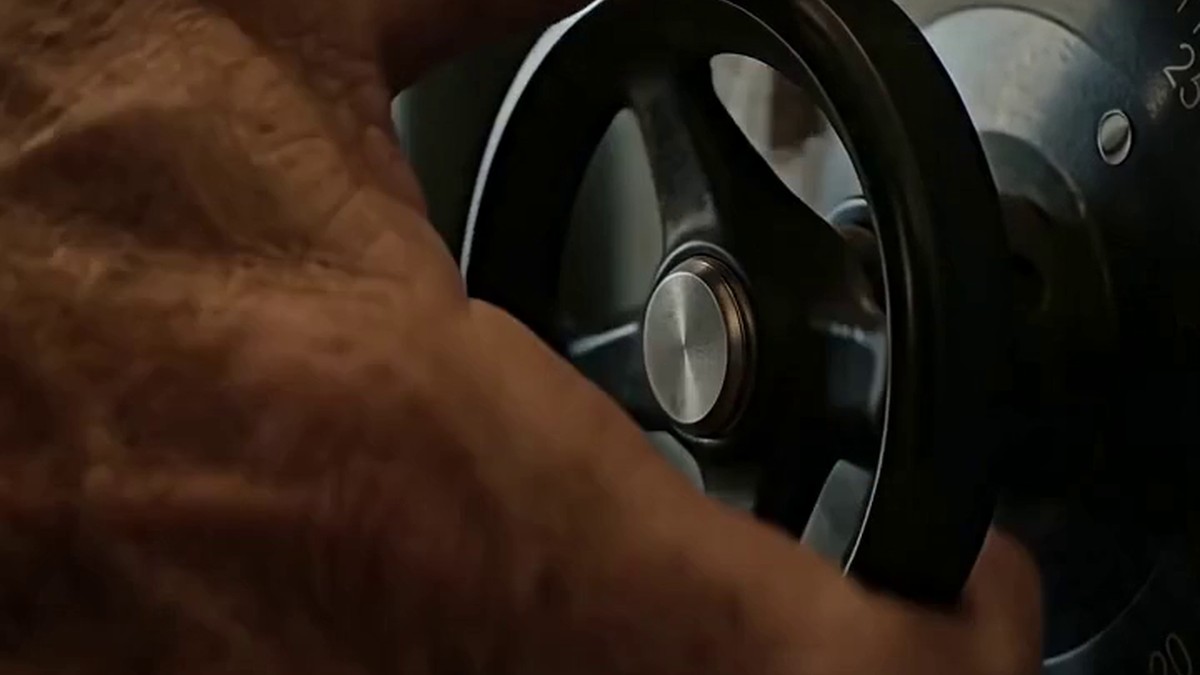
Martin closed the notebook. He walked to the binding machine, put his palm flat on its cold metal side, and thought about every argument they'd ever had about who ran which part of the business, all the years Ray had done this specific job because Martin was scared of breaking something that couldn't be fixed on a Tuesday afternoon budget.
He found the second setting. Third clockwise turn.
The machine caught the first sheet crooked, spit it out ruined, and Martin stood there with his jaw tight, feeling twenty-six years of his brother's patience concentrated into one wasted piece of card stock.
He fed it a second sheet. Adjusted the guide half an inch, the way he'd watched Ray do it a thousand times without ever really watching. The machine pulled the pages through clean.
By the time Denise flipped the sign to CLOSED that evening, there were thirty-one books stacked by the door, their spines straight, their covers square — nine short of the library's order, with two more days to finish.
Martin didn't call it a victory. He didn't say anything at all. He just wrote the date in the notebook, under Ray's last entry, in the space his brother had apparently left for him: *Did the second setting today. Took two tries. You'd have laughed at the first one.*
Then he turned off the machine, locked the second-setting knob in place for the morning, and, for the first time since April, didn't dread coming back.